RV Park vs. Mobile Home Park: What’s the Real Difference?
Clear educational breakdown of key differences in costs, ownership, flexibility, and lifestyle between RV parks and mobile home parks — positioning DVRP’s flexibility as a key advantage.

Full-time RV living in Southern California isn’t just for retirees anymore — it’s one of the fastest-growing affordable housing solutions in the state.
Between rising rents, flexible work, and the desire for a simpler home base, more people are choosing RV life as a practical way to stay in California. The lifestyle can be comfortable and stable, but only if you plan it like a real move, not a long camping trip.
This guide is for curious beginners and serious planners researching full time rv living southern california, especially anyone considering an extended stay near Hemet and San Jacinto in Riverside County. You’ll learn what’s legal, how to set up your day-to-day life, what to budget, and how to choose a long-term park that supports comfort year-round.
Southern California gives you variety within a short drive: desert weekends, mountain air, and coastal day trips. It also has stricter local parking rules and higher housing costs than many other states.
That mix is why the best version of living in rv california usually starts with a legitimate, extended-stay RV community. A stable park gives you predictable utilities, clear rules, and a neighborhood feel that makes the full time rv lifestyle sustainable.
California doesn’t have one universal rule that allows RV living everywhere. What matters is the local jurisdiction: city rules, county rules, and enforcement priorities. Many areas restrict overnight parking, limit how long an RV can remain in one place, or regulate vehicle habitation.
If your plan depends on street parking, you may feel like you’re always one notice away from having to relocate. That uncertainty is stressful when you’re trying to work, sleep, and live normally.
For most full-timers, the cleanest path is choosing a properly operated RV park that allows extended stays. You get designated space, full hookups, and a predictable routine.
If you’re new to California or bringing a rig from out of state, the DMV explains timing and requirements for registering vehicles after you become a resident or start a job in California. Here’s the official reference:
Mail is one of the first friction points for new full-timers. You need a reliable plan for DMV notices, insurance documents, banking, prescriptions, and packages.
Most people use a trusted family address or a mail-forwarding service. The key is consistency, because missed paperwork creates expensive problems fast. If you’re building a long-term routine near Hemet or San Jacinto, set up your mail plan before you move into your site.
Even if you’re not working remotely, you’ll rely on internet for everyday life. Treat connectivity like a utility: have a primary plan and a backup.
When you compare parks, confirm what’s provided versus what you bring yourself. At Diamond Valley RV Park, Wi‑Fi is listed as coming soon, so plan your own connection in the meantime.
A good long-term setup passes the Tuesday test: you can grocery shop, pick up prescriptions, handle appointments, and get back home without it taking half the day.
San Jacinto and nearby Hemet make that easier. You’re close to practical services in Riverside County, while still being within reach of weekend destinations across Southern California.
Most people underestimate RV living costs by focusing only on the monthly site fee. The site matters, but long-term comfort comes from understanding the full picture: utilities, insurance, maintenance, and daily living.
Electricity is often the biggest variable, especially during hot months when A/C runs more. Propane can swing by season depending on cooking and heating needs.
Maintenance is the other category that quietly makes or breaks budgets. Seals, roof inspections, tires, slide adjustments, and appliance repairs are part of the lifestyle, even if your RV is in great shape.
Instead of comparing ten parks line-by-line, focus on three questions. What’s included in the monthly rate? What’s billed separately? And if electricity is metered, what does that typically look like in summer?
Those answers tell you more about your real monthly costs than generic averages.
A long-term park should feel livable, calm, and consistent. Full hookups, clean roads, clear policies, and responsive management matter more than “resort” language.
Full-timers benefit most from amenities they’ll use weekly. A clubhouse can give you space to reset. A pool and spa can become part of your health routine. Dog-friendly areas matter because pets need consistency, not occasional exercise.
Security features also matter more when you’re living onsite. Gated entry and visible on-site management can add peace of mind, especially for solo residents and traveling professionals.
Being near Hemet and San Jacinto means less time stuck in coastal traffic and more time living your life. It also keeps you within easy drives to Diamond Valley Lake, Temecula, Palm Springs, and Riverside.
Diamond Valley RV Park (DVRP) is an extended-stay RV community in San Jacinto designed for long-term residents who want stability and comfort. It’s an 11-acre gated community with on-site management and newly paved roads, located at 344 N. State Street, San Jacinto, CA 92583, about three miles from downtown Hemet.
Residents span retirees, snowbirds, remote workers, traveling nurses, and families between homes. Reviews often highlight a “like family” feeling, professional management, and a quiet, peaceful environment, including multiple residents who have stayed for five years or longer.
From a practical standpoint, DVRP offers full hookups (30/50 amp) with sewer included, plus cable TV. Water is listed at $20 per month. If you’re comparing parks, those details translate into a smoother day-to-day routine and fewer logistical surprises.
Use these internal links when you’re ready to evaluate fit and availability:
Below is a planning framework you can customize. It’s designed to help you price-check your lifestyle without relying on made-up numbers for any specific park.
Site fee: This varies widely by location, season, and what’s included. Ask whether sewer is included, whether water is separate, and how electricity is billed.
Utilities: Electricity is typically the most variable line item in Southern California, especially in summer. Propane often rises in colder months for heating, and stays steadier when used mainly for cooking.
Food: RV living doesn’t automatically reduce food costs. People who cook regularly tend to keep spending stable. People who eat out more “because they’re traveling” usually see this category climb.
Transportation: If you stay mostly stationary, fuel costs often drop compared to constant travel. Still budget for errands, appointments, and occasional longer drives.
Insurance: Confirm your coverage matches your living situation. Full-time coverage and part-time coverage can differ, so check before you move.
Miscellaneous: Laundry, RV supplies, small replacement parts, and a maintenance fund belong here. This category is what keeps your budget from getting surprised by normal wear-and-tear.
It can be legal, but it depends on local rules about where you park and occupy the RV. The most stable approach is living in a properly operated RV park designed for extended stays, and following DMV requirements for registration if you’re new to California.
Costs vary based on travel style and where you stay. Most budgets include site fee, utilities, food, transportation, insurance, and maintenance. The biggest swing factors are campsite costs and electricity usage.
Look for full hookups that match your rig, clean and maintained roads, clear rules, responsive management, and amenities that support daily life. For many full-timers, a clubhouse, pool/spa, dog areas, and gated entry improve comfort and peace of mind.
Most full-timers use a trusted family address or a mail-forwarding service. Set this up early so DMV notices, insurance documents, and packages have a reliable destination.
Many long-term parks include sewer and bill water and electricity separately, but policies vary. Always confirm whether electricity is metered and what’s included in your monthly rate.
Safety depends on management, policies, and the environment. Parks designed for long-term residents with gated entry, on-site management, and a stable community tend to feel safer and more predictable for day-to-day living.
Ready to experience full-time RV living in Southern California? Apply for a long-term stay at Diamond Valley RV Park.
California DMV RV registration requirements
Clear educational breakdown of key differences in costs, ownership, flexibility, and lifestyle between RV parks and mobile home parks — positioning DVRP’s flexibility as a key advantage.
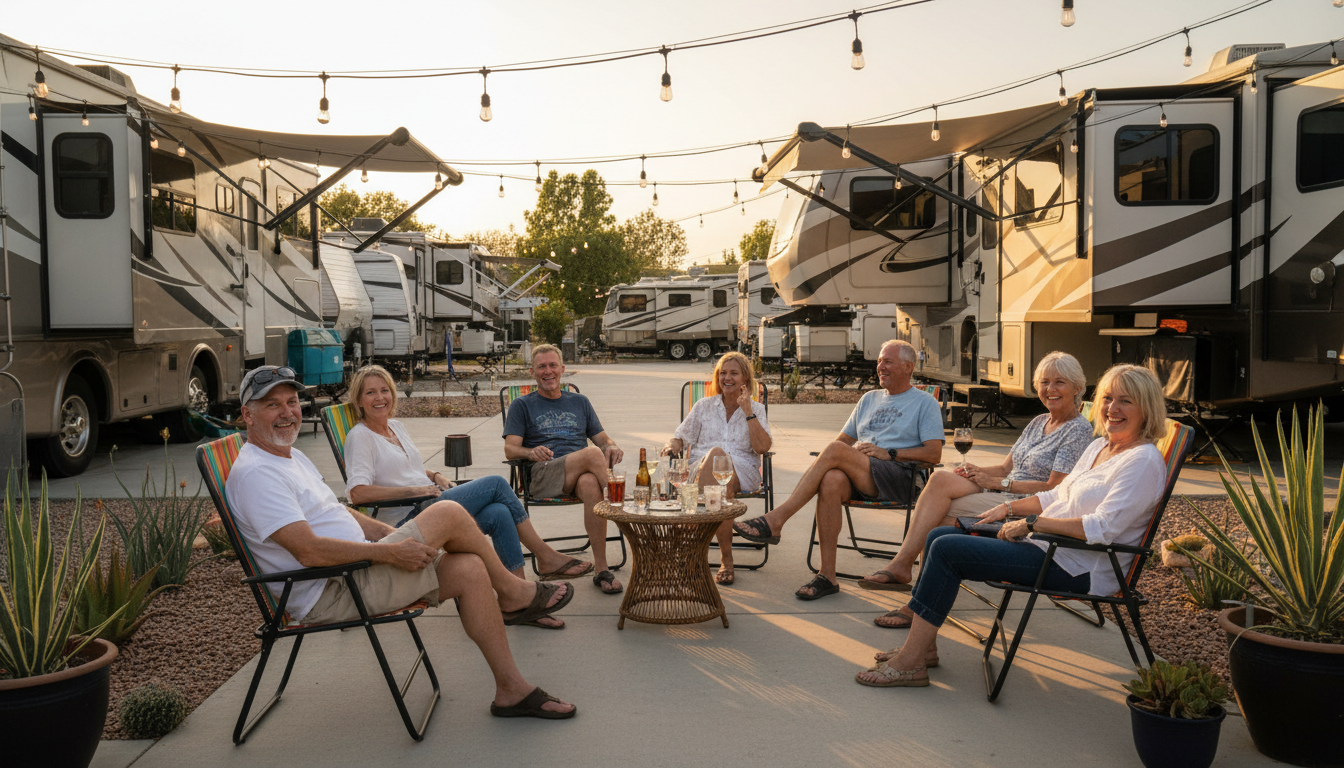
Tackles one of the biggest fears of RV living — loneliness — by showcasing DVRP’s clubhouse events, dog park culture, and resident camaraderie as proof that community thrives here.
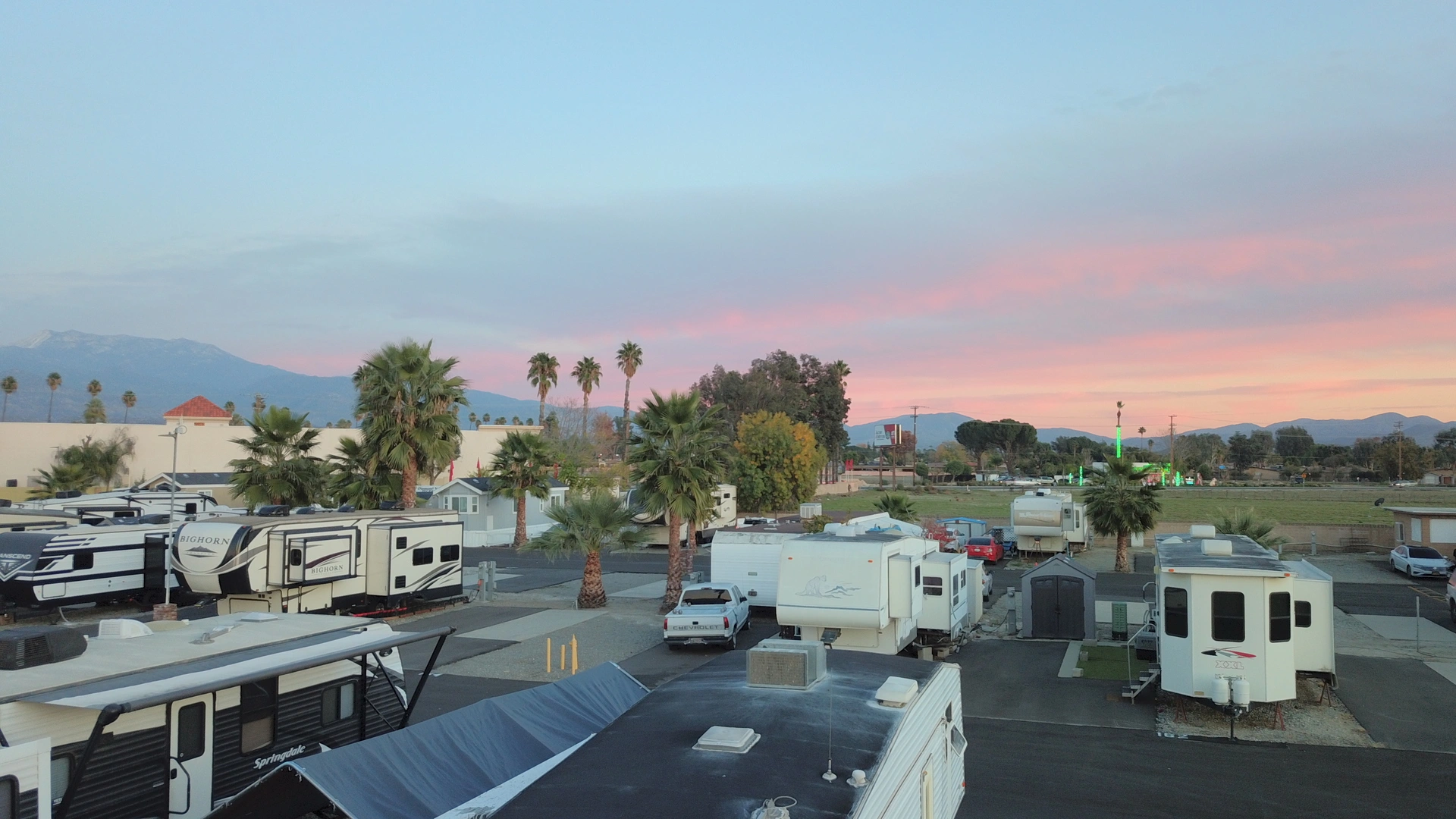
Empathetic post addressing the life transition moment of downsizing — targeting people between homes, recent retirees, or those facing high rent — with RV living as the solution.
Looking for a quiet, affordable place to stay? Diamond Valley RV Park is a welcoming community where retirees, traveling professionals, and families enjoy stability, comfort, and connection — with a one-week minimum stay and flexible monthly options.
Diamond Valley RV Park
344 N. State Street, San Jacinto, CA 92583
Office Hours: Monday–Friday, 9 AM – 4 PM
Office: 951-654-0670
Fax: 951-654-6622
Email: info@diamondvalleyrvpark.com