Diamond Valley RV Park logo

How Veterans Are Finding Affordable Housing Through RV Living

California has one of the largest veteran populations in the country — and one of the worst housing affordability crises. For tens of thousands of post-service men and women, those two facts collide daily. Rent that costs more than a VA disability check. Lease requirements that penalize job-to-job transitions. Neighborhoods that feel nothing like the tight-knit community they left behind. It’s a hard equation to solve — unless you’re willing to think differently about what ‘home’ means.

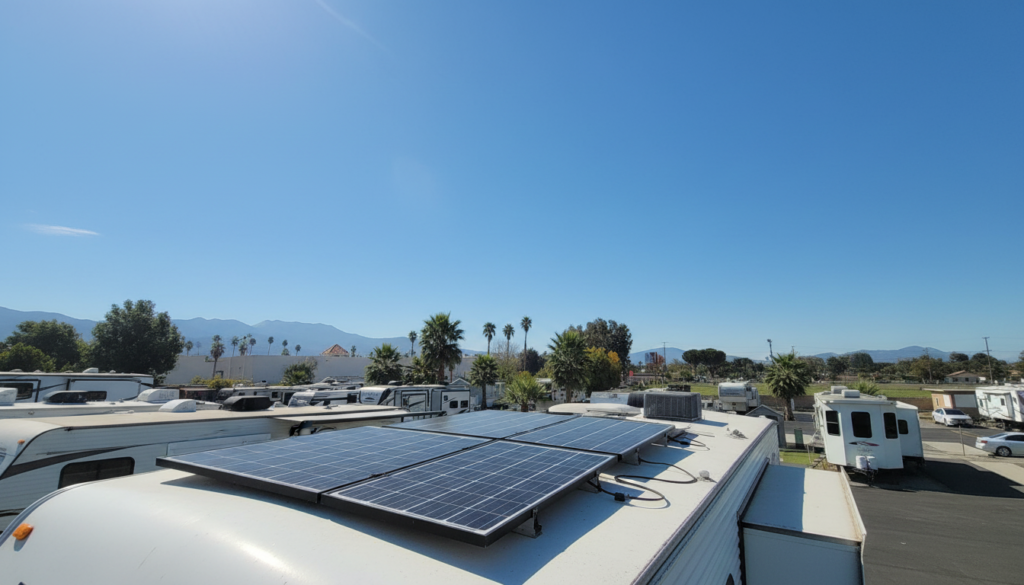
RV park living has emerged as a genuine solution for veterans across Southern California — not as a fallback, but as a deliberate choice. A gated, managed, month-to-month community like Diamond Valley RV Park in San Jacinto gives veterans something the open rental market rarely does: stability, flexibility, and a real sense of belonging — without a long-term lease hanging over their heads.

The Cost Problem Isn't Going Away

California’s median rent for a one-bedroom apartment sat at roughly $1,850 per month statewide in early 2026, with inland areas like Riverside County running somewhat lower — but still averaging $1,400–$1,600 in most cities. For veterans on a fixed VA disability rating or a modest GI Bill housing stipend, that math leaves very little room for anything else.

Long-term RV park living changes the calculus entirely. Monthly rates at Diamond Valley RV Park start at $625 — which includes water and sewer. A veteran paying $625/month in site fees, plus a metered electric bill averaging $60–$90/month in a well-insulated RV, is looking at total housing costs of roughly $700–$730 per month. That’s less than half of what a typical apartment demands in the same region.

That gap matters enormously. It’s the difference between living paycheck to paycheck and building a small emergency fund. It’s the difference between a veteran who is housing-stressed and one who is stable. For many veterans transitioning out of service or dealing with a medical discharge, that margin can be life-changing.

VA Programs That Work Alongside RV Living

Veterans pursuing RV park living don’t have to leave their VA benefits behind. Several key programs remain fully accessible:

The VA’s housing assistance programs cover a wide range of support beyond home loans. Veterans experiencing housing instability can access case management services, rental assistance referrals through HUD-VASH vouchers, and connections to local support organizations.

The VA’s Supportive Services for Veteran Families (SSVF) program provides short-term rental assistance and case management to help veterans at risk of housing instability. RV park residency can count as a qualifying housing situation under many of these programs — meaning veterans don’t have to choose between VA support and a more affordable living arrangement.

VA disability compensation, pension payments, and GI Bill housing stipends can all be directed to cover park fees. Because monthly fees are lower than apartment rent, many veterans find they have benefits left over after covering housing — money that can go toward RV maintenance, a vehicle, savings, or educational expenses.

Veterans in the Hemet-San Jacinto area can access the VA Loma Linda Healthcare System approximately 30 miles north, and the VA Murrieta outpatient clinic roughly 35 miles to the south — keeping healthcare access intact without requiring a city-center address.

The Flexibility That Military Life Demands

One of the hardest adjustments for veterans reentering civilian life is the expectation of permanence. Standard apartment leases run 12 months. They require good credit history, proof of stable employment, and a landlord willing to overlook service-related gaps. They penalize early exits. And they assume a kind of lifestyle stability that many transitioning veterans simply don’t yet have.

RV park living inverts those assumptions. Diamond Valley RV Park’s long-term stay model begins at one week with monthly continuation — no 12-month commitment required. A veteran who takes a job in Riverside, San Bernardino, or even Los Angeles can live affordably in San Jacinto, commute when needed, and decide later whether to stay or move on — without breaking a lease or losing a deposit.

This flexibility is also meaningful for veterans who travel for medical appointments, family support, or VA-related administrative work. Knowing your site and your community are there when you get back matters. It’s not just the cost — it’s the reliability.

Community: The Factor That Actually Matters

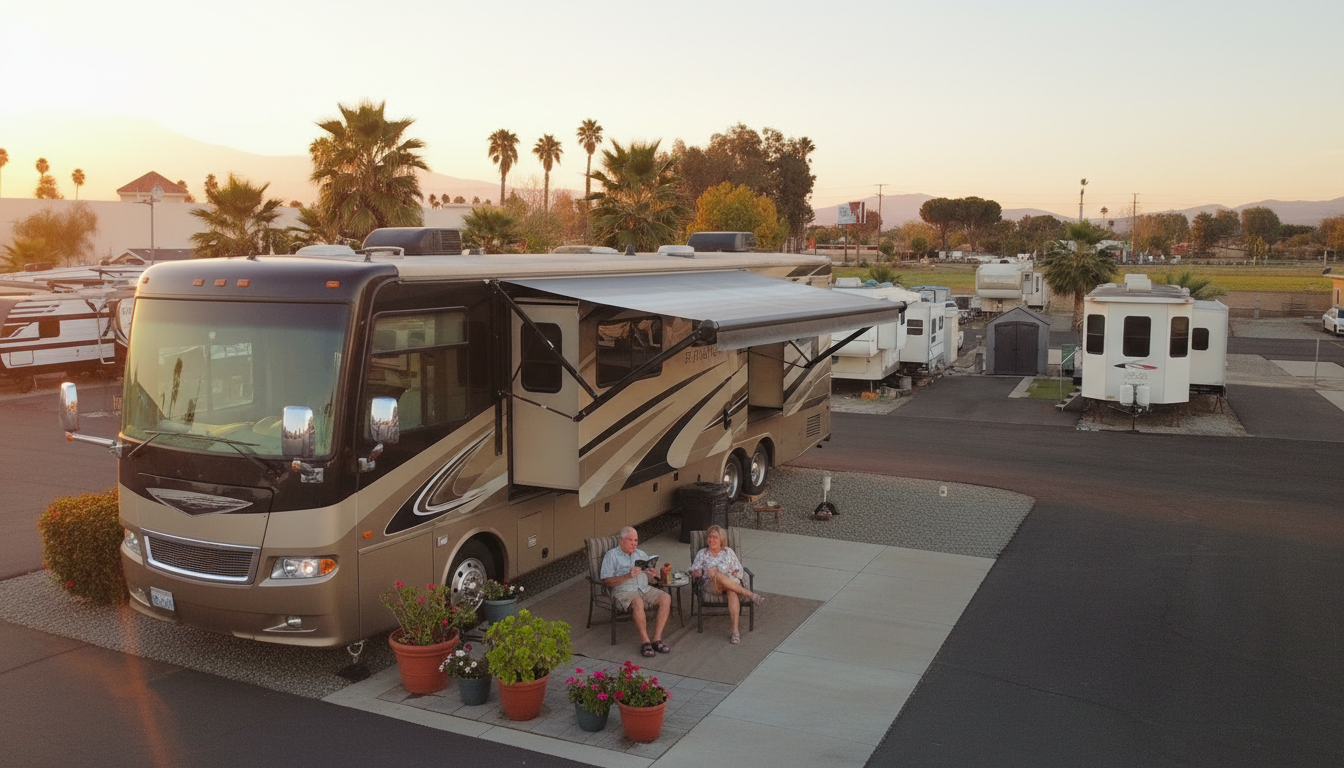
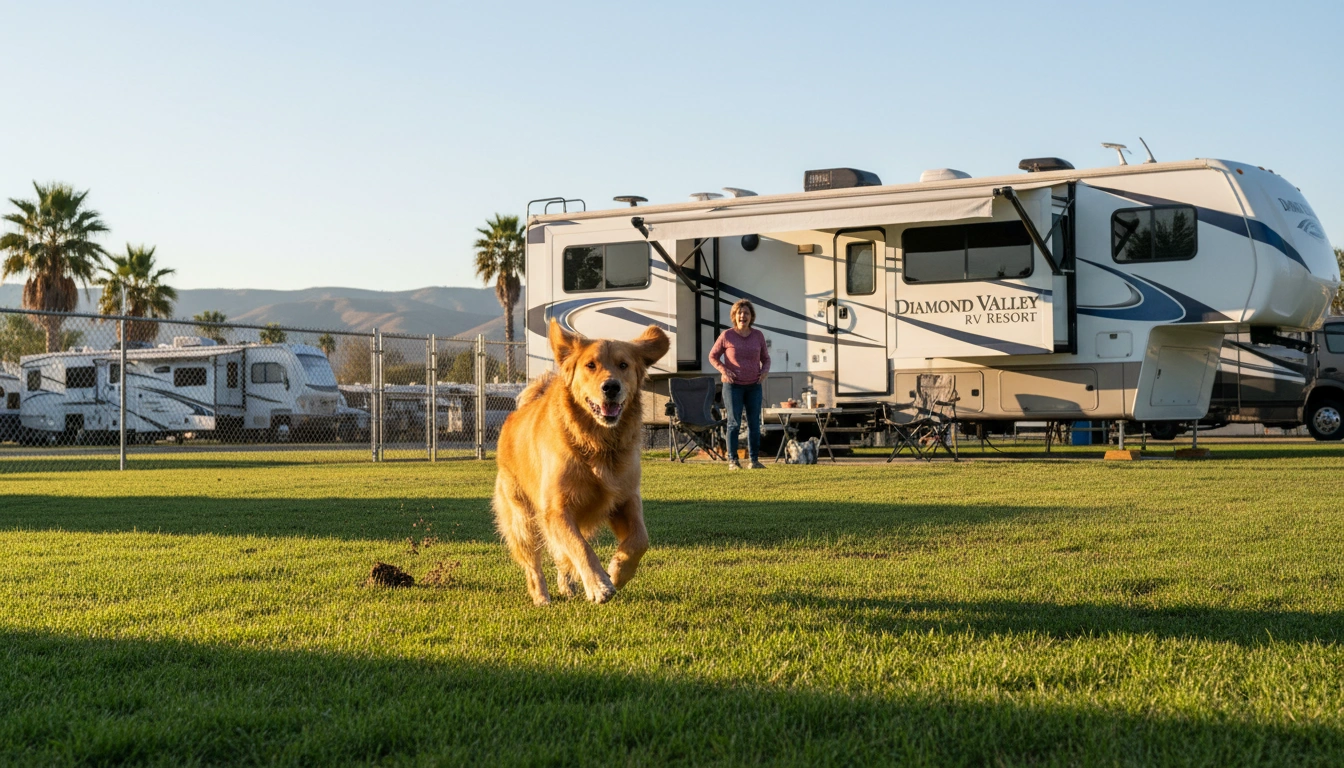
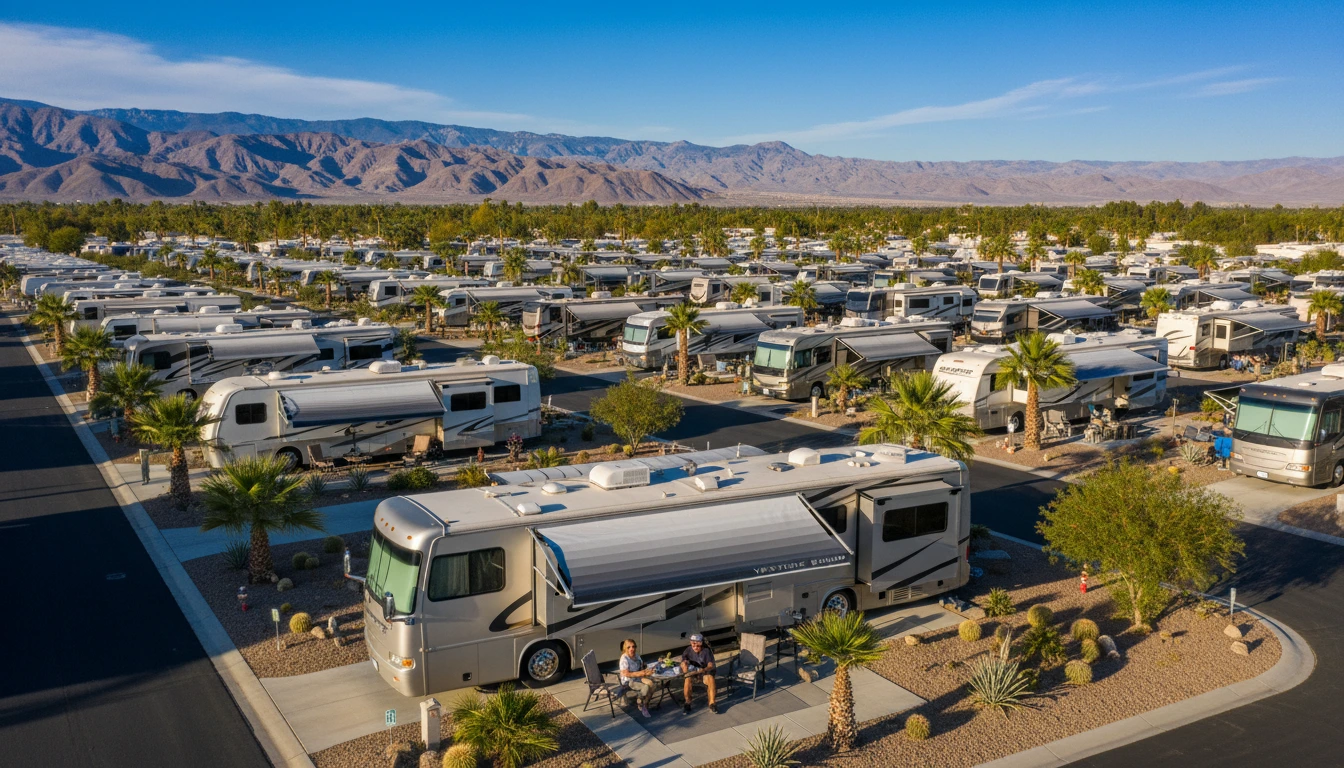
Veterans often describe two things they miss most about service: purpose and community. The civilian rental market isn’t designed to provide either. A well-managed RV park operates more like the residential environments veterans actually thrived in — everyone knows their neighbors, there are shared spaces, and rules are clear and consistently applied. At Diamond Valley RV Park, that includes a pool and spa, a clubhouse, a dog park, and regular community events. Read more about the community life at Diamond Valley RV Park.

For veterans who’ve struggled with isolation post-service, this isn’t a minor detail. It’s one of the most frequently cited reasons veterans who’ve made the move to RV park living say they’d do it again. The physical footprint is smaller, but the social footprint is often larger than it was in a private apartment.

What to Look for in an RV Park as a Veteran

Not every RV park is built for long-term residents — and not every long-term park is built for veterans. Here’s what matters:

  • On-site management who knows residents by name — not a remote property management company three cities away.
  • Gated access, 24/7. Security creates a community where residents feel safe enough to leave their doors open.
  • Month-to-month flexibility with no minimum commitment beyond one week. This protects your ability to adapt housing to your life.
  • Established community infrastructure: a clubhouse, shared outdoor space, or regular events that give residents reasons to interact.
  • Transparent, all-in pricing. Know what the site fee covers and what you pay separately.

Diamond Valley RV Park checks each of these boxes. Learn more about what long-term extended stay looks like at DVRV — including how residents describe the experience after their first year.

Making the Transition

The practical steps are simpler than most veterans expect. The application process at Diamond Valley RV Park includes a standard background check and credit review. Having an RV — even an older model in good working condition — is the primary requirement. The park accommodates a wide range of RV sizes and configurations.

Veterans who don’t yet own an RV have options. Used Class C and travel trailer units in solid condition can be found in the Inland Empire market for $15,000–$35,000, often financed through credit unions that serve veteran members. Several California-based lenders and nonprofits specialize in RV financing for veterans.

Veterans in housing distress can also reach out through the VA’s homeless and at-risk housing programs to connect with case managers who can help identify RV living as a stable housing pathway and potentially assist with transitional costs.

For veterans who’ve been grinding against California’s housing market and losing — or who simply want a different kind of life post-service — long-term RV park living offers something real: lower costs, genuine community, and the flexibility to make decisions on your own timeline.

Scroll to Top